Enhance brain performance and function with a wealth of resources from experts around the world.

1,000 Founding Voices
Choosing synchronised rest and restoration for new tomorrows
We are so thrilled and very grateful to have you here, with all the possibilities you bring.
Please watch the short introduction, then register for the 1,000 Founding Voices Zoom call on 8 September 2026.
A synchronised movement of movements
What would happen if climate and Nature-related organisations, initiatives, experts, and individuals around the world focused their positive efforts for the natural world on the same day each week?
Whether working, resting, or playing, what if that day gave us all opportunities to develop positive new habits? And, what if, for many of us, it gave us the space to slow down, reconnect, and restore ourselves and the natural world? Enabling all entities the opportunity to practise the healthier systems and ways of living we urgently need?
This new initiative proposes that the shared day of new habits will initially be Sundays.
Every Sunday will become a globally synchronised opportunity to practise a new Nature-focused norm. For most, it will be a pause from the fast pace of modern life: a day to rest, reconnect, experiment with better habits, support existing Nature-positive work, and begin practising a different future.
One person’s actions will matter.
And, excitingly, when millions of people act together, at the same time, week after week, something much greater becomes possible: the Earth too gets a rest!
Why the same day?
Synchronisation gives individual actions collective power.
When our efforts are concentrated on the same day:
- our actions become more noticeable;
- our collective impact becomes greater;
- existing climate and Nature solutions gain greater traction;
- better habits and lifestyles become easier to practise;
- new ways of living begin to feel normal;
- people feel less isolated and powerless;
- communities become more connected;
- and repeated weekly action can begin to compound into lifestyle, cultural, environmental, and systems change.
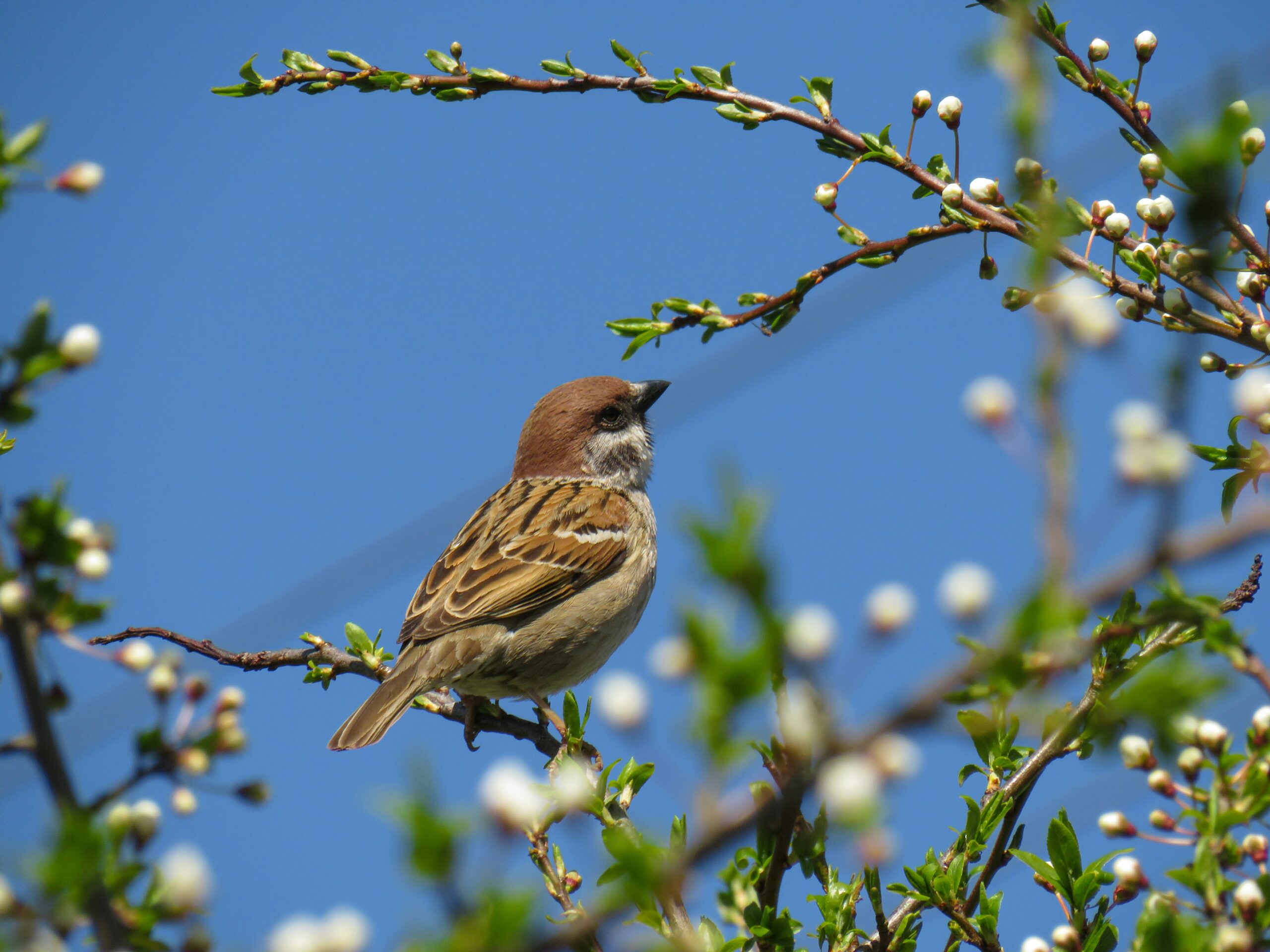
Like a murmuration of starlings, individual actions become something far greater when they are synchronised.
The whole becomes greater than the sum of its parts.
Turning points, not tipping points
When we consider the scale of climate change and biodiversity loss, it is easy to feel overwhelmed.
Many people recognise that enormous changes are needed, yet struggle to see how their own choices can possibly make enough difference: they feel like a drop in the ocean.
This initiative on Sundays offers something more manageable:
One shared day to practise.
A chance to try different choices.
A chance to discover what works.
A chance to repeat those choices until they become habits.
Rather than waiting helplessly for ecological tipping points, together we can begin creating a peaceful societal turning point.
The habits we practise on Sundays begin to infiltrate the rest of the week.
And so we have a way to practise the future together until it becomes the present.
What could Sundays feel like?
There is no single prescribed Sunday: you do them your way. However, the vision of this initiative is that your Sundays feel enjoyable, restorative, and alive.
People will participate differently according to their circumstances, culture, season, location, imagination, and needs.
For some people, Sunday may mean rest.
For others, it may mean restoration, connection, learning, volunteering, experimenting, or simply making more Nature-positive choices.
And for others who need to work or care for others, it may mean operating with some new habits.
A Sunday might include:
- spending time with family, friends, or community;
- getting outside and reconnecting with Nature;
- resting ourselves and allowing the planet some breathing space;
- supporting a local Nature or climate project;
- reducing unnecessary consumption;
- sharing cooking or heating with family, friends, or neighbours;
- a shared hour of darkness for better rest, lower CO2, and increased wildlife;
- cities, towns, or even villages choosing to become car-free zones for the day;
- reviewing your pension, investments, phone contract, or fuel provider, and switching to greener arrangements wherever possible;
- trying a different food, transport, energy, or purchasing habit;
- repairing, sharing, reusing, growing, planting, or restoring;
- learning about solutions which already exist;
- experimenting with healthier and more sustainable ways of living;
- or simply taking a few minutes to make one different choice — for the benefit of Nature in the long term.
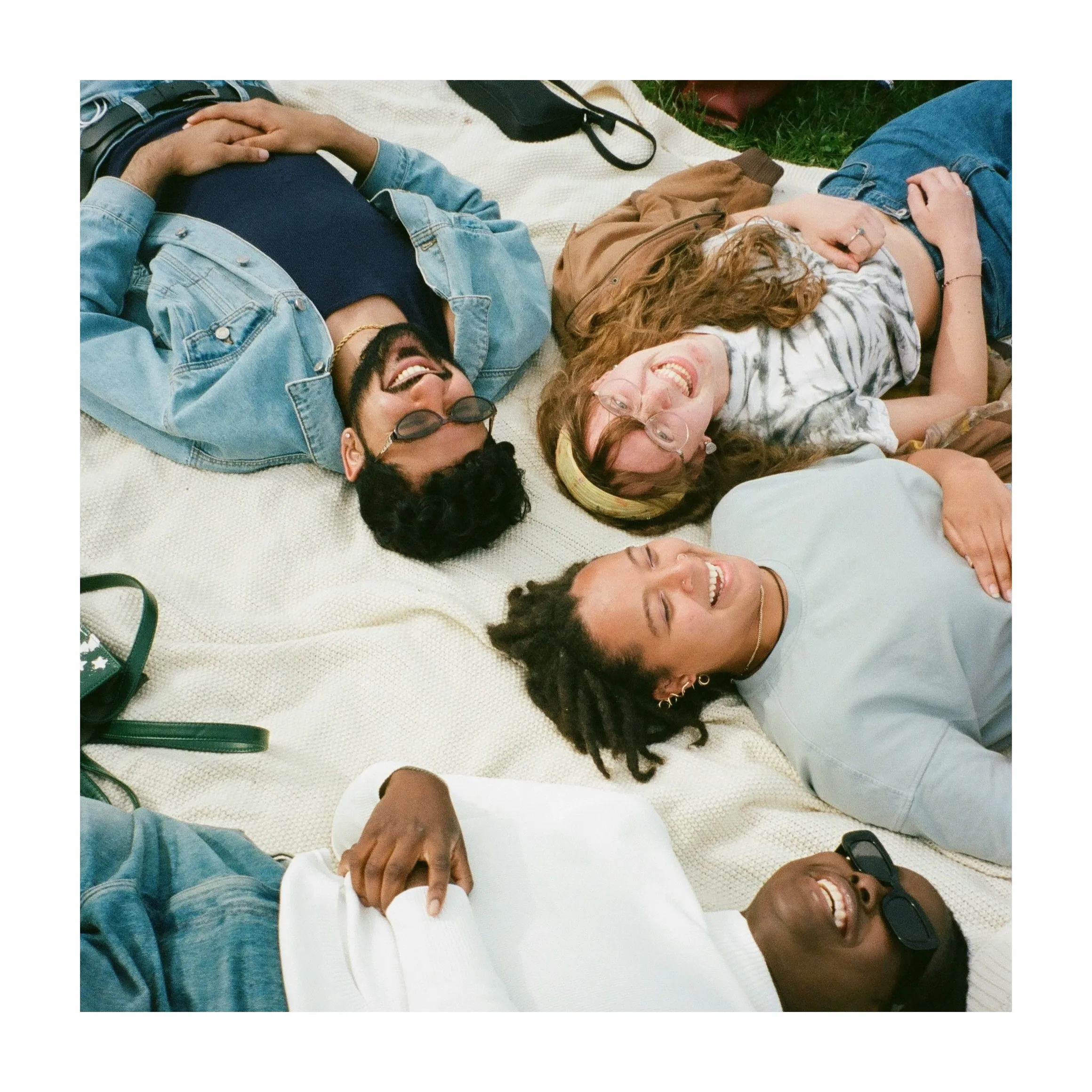
There is no perfection required.
This is just practice.
And every week gives us another opportunity to try it out.
A shared weekly signal
The day is also a peaceful, visible expression of togetherness.
People all around the world showing they want healthier, more sustainable ways of living, and not by demanding change, but by beginning to practise it themselves.
Flying the Flag of Planet Earth helps bond us and provides a visible symbol of our shared intention.
Different organisations can continue doing what they already do best, whilst using the shared weekly rhythm to amplify their work, invite participation, and connect with others: solutions and choices become more visible, and people everywhere feel inspired, empowered, and hopeful!
The aim is not to replace existing movements.
It is to provide the rhythm which helps them resonate together.

The positive impacts
A successful weekly rhythm could contribute to:
- stronger collective environmental impact;
- Nature restoration and biodiversity recovery;
- lower unnecessary consumption, waste, travel, and energy use;
- healthier habits and improved wellbeing;
- stronger communities and greater connection;
- greater hope, agency, and confidence that individual actions matter;
- wider awareness and adoption of existing climate and Nature solutions;
- cultural change towards Nature-first decision making;
- and a visible public signal supporting wider systems change.
The impact will be measured and refined as the movement develops.
What matters most is not simply the number of individual actions, but what happens when those actions become synchronised, repeated, and cumulative.
1,000 Founding Voices
Before inviting the wider public, we are bringing together the first 1,000 Founding Voices from around the world.
These are people who bring one or more of three valuable things:
What you know
Expertise, experience, ideas, research, or practical knowledge.
Who you know
Connections into organisations, communities, and networks.
Who knows you
The ability to inspire, influence, and help ideas travel.
You are here because your contribution to people and planet has been recognised and valued.
We would love to learn how this initiative could support and amplify your own work; and how, by working together, we can contribute to its growth.
A thousand miles, a thousand voices
In July 2026, Gemma Herbertson spent 23 days cycling more than 1,600 miles around the UK, beginning at Stonehenge, to personally deliver the first invitations.
This human-leg-powered journey was part of the message.
Connection matters.
Slowing down matters.
Effort matters.
And some invitations definitely deserve to happen in real life rather than through screens and digital means.
The UK journey was the first stage.
The gathering of Founding Voices now continues around the world.
Your next steps
Accept your invitation
You have been invited to become one of the first 1,000 Founding Voices.
Please register for the online Founding Voices meeting on 8 September 2026.
At the meeting, we will explain the concept further, explore how it might benefit your work or organisation, and discuss how we can move from concept towards activation.
Pass on the invitation
Who are the two people you know whose experience, ideas, connections, or influence could make a meaningful contribution?
Please pass the invitation to them.
The first 1,000 voices are being gathered through trusted human connections, creating a ripple effect from person to person and eventually across borders.
Bring your ideas
Ahead of the September meeting, please consider:
- What is your vision for the future, and how could this initiative support it?
- What actions or experiments could people try on Sundays?
- How soon can we get started?
- How could we measure meaningful environmental, social, behavioural, or wellbeing impacts?
- What practicalities need to be addressed?
- How could your organisation, project, community, or network benefit from participating?
- Is there anything you could contribute, including expertise, ideas, connections, resources, visibility, or support?
You are also very welcome to contact us before the meeting.
Gemma Herbertson, Founder
In her neuroscience work, Gemma is a researcher, entrepreneur, charity chair, and inventor of a drug-free seizure-first aid method. She is also an author of poetry, and loves gardening and cycling.
For over twenty years, she has travelled far and wide around Europe by bike. In her youth, she sailed across the Pacific, until her trip was stopped by pirates.
She loves being a mother to her two children, and cares deeply about creating a sustainable world for them to live and thrive in.
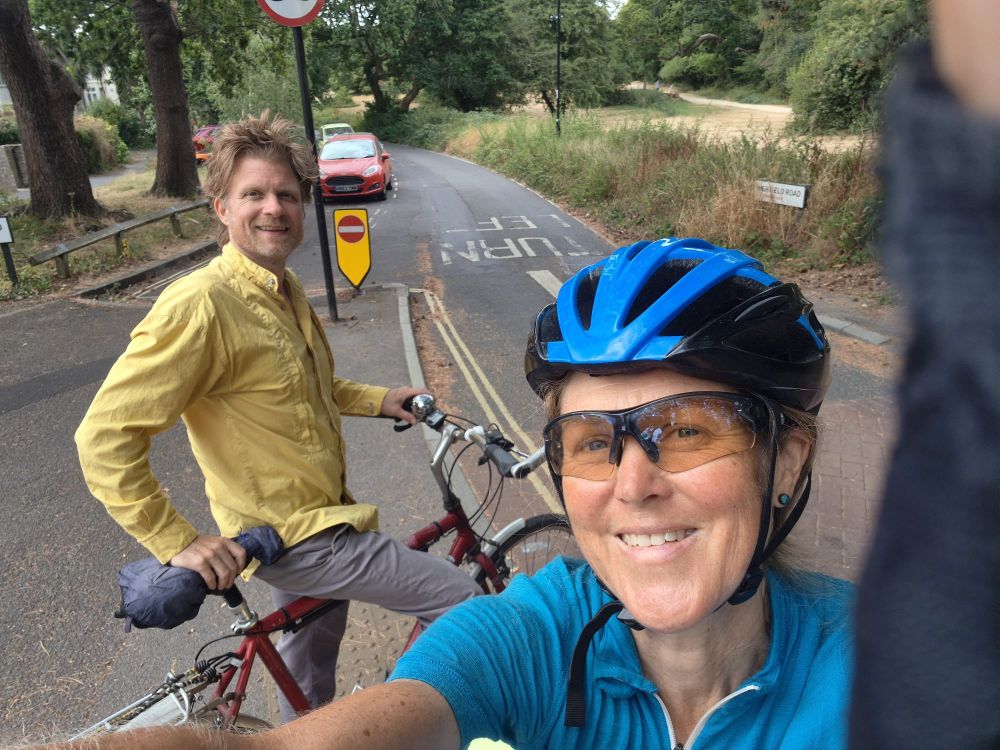
Henrik Dahle, Co-founder
Henrik G Dahle is a British-Norwegian artist, writer, and entrepreneur, dedicated to growing Eutopia.
Henrik brings an artistic, philosophical, and entrepreneurial lens to the project, helping shape the wider vision for a movement rooted in restoration, imagination, and practical cultural change.
His latest book, thinking, and artworks can be found at
artofclimbingtrees.net
.
Join the 1,000 Founding Voices
The online meeting will take place on 8 September 2026.
This is not the public launch.
It is the next stage in bringing together people who can help test, strengthen, amplify, measure, and activate the idea.
The proposed first public day is Sunday 8 November 2026.
Practise the future together until it becomes the present
One person cannot create the turning point alone.
But millions of people making small, positive choices together (and regularly repeating them week after week), always basing decisions on the best long-term benefits for the natural world, can begin to make a new way of living feel possible, practical, normal…the new aspirational norm.
